In the high-tech corridors of global innovation hubs, progress is often measured by research budgets or the sophistication of technology. Yet a more resilient and increasingly influential form of innovation is emerging in developing markets: frugal innovation.
Frugal innovation, a concept advanced by scholars such as Professor Vijay Govindarajan, focuses on designing products, services, or business models that deliver essential value at significantly lower cost by eliminating non-essential features and making smarter use of limited resources.
This approach is not about producing “cheap” products; it is about resourcefulness, strategically focusing on what matters most to deliver high-impact solutions. According to the Boston Consulting Group (BCG), frugal innovation enables organisations to reach “the next billion”— a market segment also widely referred to as “the emerging market consumer” or “consumers at the base of the pyramid by fundamentally rethinking how value is created and delivered.
The Global Blueprint: General Electric’s Portable Revolution
Over a decade ago, General Electric (GE) Healthcare confronted a stark reality in India. Its standard electrocardiogram (ECG) machines – priced at approximately $10,000 and weighing over 7 kilograms were impractical for rural clinics in India, where electricity is unreliable and healthcare facilities are widely dispersed.
Rather than making incremental adjustments to existing Western models, GE approached the challenge from first principles. Engineers designed the MAC 400(Multichannel Acquisition Communication). Specifically for the realities of rural India—unreliable electricity, limited infrastructure, and extreme cost sensitivity. By repurposing existing technologies, such as a bus-ticket printer, and stripping the device down to its essential clinical functions, GE delivered a portable, battery-powered ECG machine that weighed just one kilogram and cost a fraction of traditional alternatives.
The success of the MAC 400 did more than solve a local healthcare problem. It reshaped how GE approached innovation globally. The project demonstrated that building for constraint could reveal efficiencies overlooked in high-resource environments and uncover new demand in unexpected markets. What began as a solution for rural clinics in India was later adopted in the United States and Europe, where portability, speed, and cost efficiency proved equally valuable in emergency and primary care settings.
These lessons prompted a broader strategic shift within GE. Reverse innovation evolved from an isolated experiment into a structured, repeatable approach, with dedicated teams empowered to develop products in emerging markets and scale them globally.
The Local Hero: AgriPredict and the BongoHive Ecosystem
While GE showcases frugal innovation at corporate scale, BongoHive demonstrates how the same principles drive solutions in local markets.
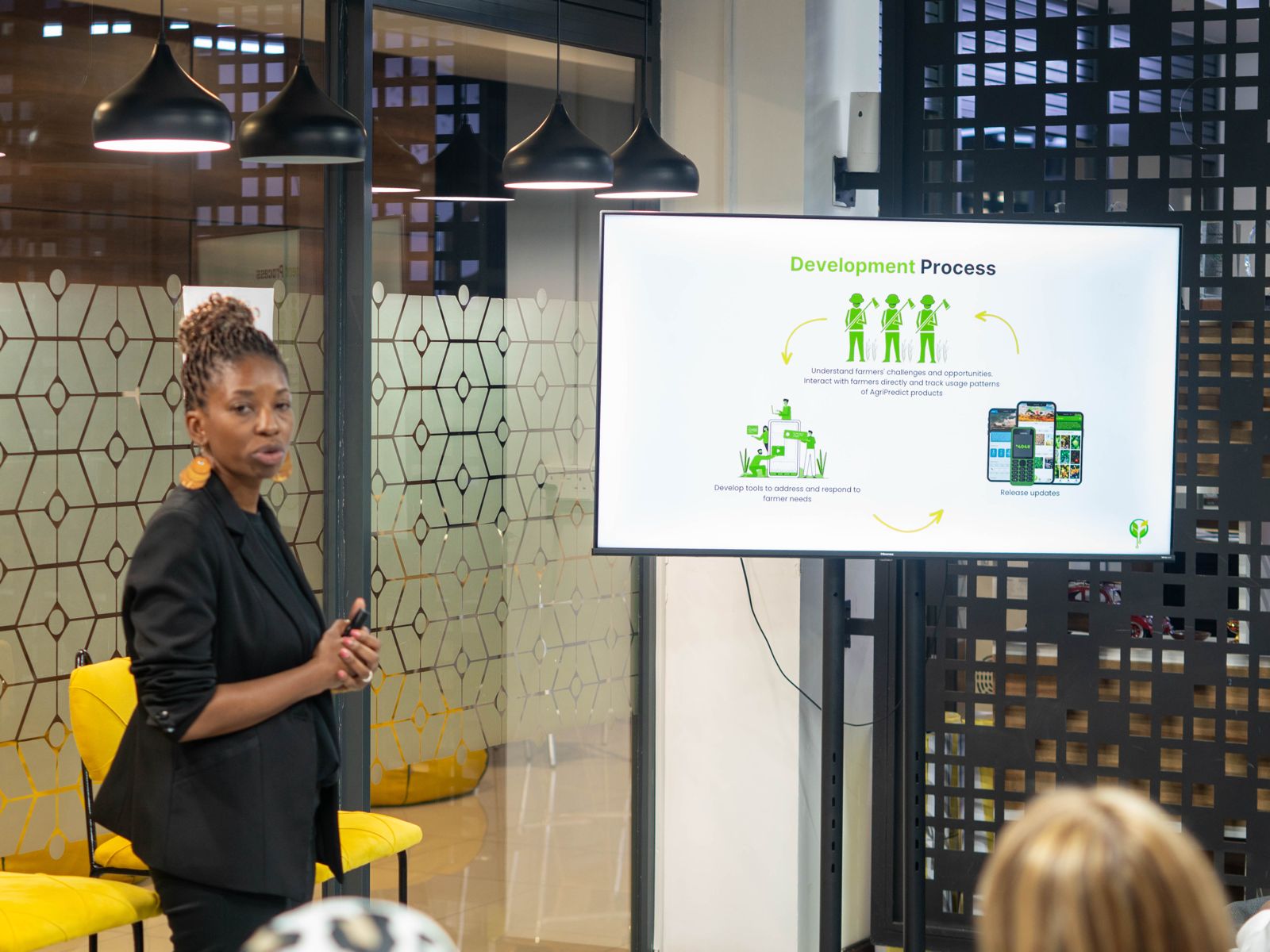
Farmers in Zambia face a daily battle against crop disease and pests, often losing entire harvests due to limited access to timely advice. AgriPredict reframes this challenge entirely by transforming a basic smartphone camera into a diagnostic tool. A farmer captures an image of a diseased leaf, and artificial intelligence identifies the issue while recommending affordable, locally available treatments. By late 2024, the platform had reached nearly 90,000 users across Zambia, delivering early warnings with over 99 per cent accuracy and helping farmers safeguard their livelihoods.
AgriPredict’s low-cost, mobile-first model also signals potential beyond its original context. Much like GE’s MAC 400, the solution addresses challenges that exist globally. Small-scale and speciality farmers in developed markets face similar pressures around cost, speed, and access to expert diagnostics, positioning AgriPredict as a credible candidate for future reverse innovation.
AgriPredict reflects the broader work taking place at BongoHive, where innovation is shaped to be efficient, scalable, and grounded in real-world needs. While frugal innovation is only one dimension of this work, it illustrates a defining strength of the ecosystem: the ability to transform local challenges into practical solutions with relevance far beyond their point of origin.
Balancing Simplicity and Scale
The successes of frugal and reverse innovation highlight their transformative potential, but this approach is not without its complexities. Designing for extreme efficiency requires careful balance. Innovators must contend with questions around quality assurance, user trust, intellectual property protection, and regulatory compliance—particularly when solutions move across markets with vastly different standards and expectations.
Simplicity can be a powerful advantage in environments where electricity is unreliable and data is expensive, yet maintaining credibility and durability at scale demands rigour. The experiences of both GE and AgriPredict show that achieving this balance relies on disciplined design, continuous testing, and deep contextual understanding—ensuring affordability does not come at the expense of reliability or long-term impact.
Conclusion: A Shift in Global Perspective
The global business community is increasingly recognising that the most impactful ideas are not born from abundance, but from necessity. Through the support of innovation hubs such as BongoHive, Zambian innovators continue to demonstrate that transformative solutions do not require Silicon Valley–level budgets. They require insight, empathy, and the discipline to focus on what truly matters.
Are you ready to turn constraints into opportunities? By embracing the ‘doing more with less’ mindset of frugal innovation, the BongoHive Innovation Unit and its proven methodology will provide your ideas with the support they need to thrive, whether you are an entrepreneur, corporate leader, policymaker, or investor. Reach out at [email protected] and take the next step.