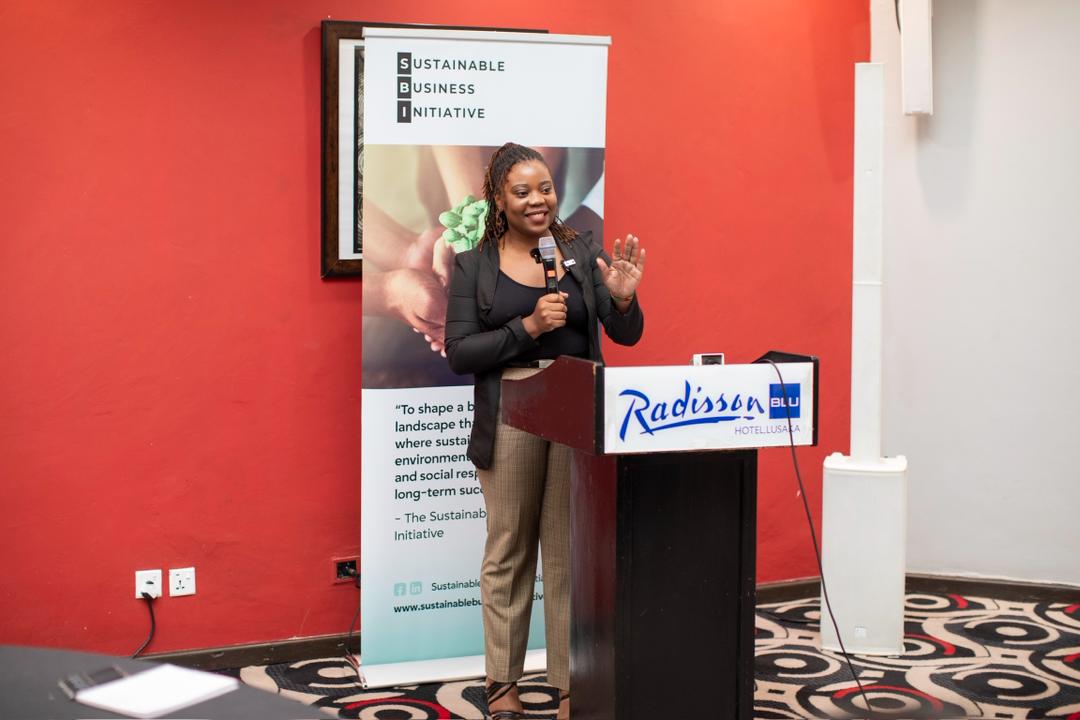
Originally delivered as remarks on behalf of Lukonga Lindunda, Executive Director of BongoHive, at the Sustainable Business Initiative Launch (February 12, 2026).
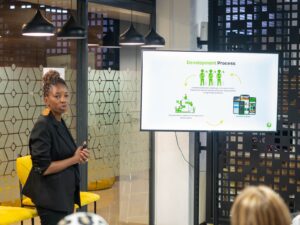
Delivering remarks last Thursday during the launch of the Sustainable Business Initiative (SBI). I was there to share a message on behalf of BongoHive’s Executive Director, Lukonga Lindunda, but as I looked out at the room filled with innovators, industry experts, policy-makers, and private-sector leaders, it became clear that we are at a tipping point.
For 14 years at BongoHive Technology and Innovation Hub, we have watched the Zambian startup ecosystem evolve. We have seen the rise of fintech, the expansion of agritech, and the resilience of local manufacturing. But in 2026, a new mandate has emerged.
Sustainability is no longer a “side conversation” or a Corporate Social Responsibility (CSR) reporting exercise. It is the new baseline for global competitiveness.
The Shift from Raw Materials to Finished Solutions
During my remarks, I touched on a point that resonated deeply with the audience: The goal of the green economy is not just for Zambia to participate; it is for Zambia to lead.
For too long, the narrative of African economies has been centered on the export of raw materials. In the new climate economy, we have a chance to break that cycle. By supporting the Sustainable Business Initiative, we are betting on a future where Zambia exports finished solutions—climate-smart technologies, circular economy models, and renewable energy innovations—to the rest of the world.
Three Pillars for the 2030 Vision
To reach the goal of building 100+ sustainable enterprises by 2030, we believe the ecosystem must focus on three critical areas:
- Innovation as the “How”: Transitioning to clean energy or reducing waste isn’t just a moral choice; it’s an engineering and business challenge. Innovation is how we turn these sustainability hurdles into high-margin business opportunities.
- Enterprise-Led Transformation: While policy provides the framework, entrepreneurs provide the momentum. Real change happens when a founder builds a company that is “future-fit” from day one.
- Collaborative Ecosystems: Platforms like SBI, spearheaded by leaders like Rabecca, are essential. Building platforms isn’t easy, but they are the “connective tissue” that links startups to the markets and capital they need to scale.
The Road Ahead
As BongoHive Consult, a partner to SBI, we support the initiative—whether it is through accelerator programs or working with innovators through practical frameworks, our focus remains clear: building entrepreneurs who solve real problems.
The launch of the Sustainable Business Initiative isn’t just a milestone for the partners involved; it is a signal to the market. The businesses that ignore climate risk today will struggle to survive tomorrow. But those that integrate sustainability into their DNA right now? They are the ones who will define the next decade of Zambian prosperity.
The future of business is sustainable business. The only question is: Are you building for 2026, or are you building for 2030?