By Dorus Silwizya, Senior Innovation Associate
As a continent defined by dynamic complexity—a vibrant mix of cultures, rapidly evolving technology adoption, and unique socioeconomic challenges- Africa requires more than just imported solutions. It demands solutions that are context-responsive and built from the ground up. This is precisely why Human-Centred Design (HCD) is not just a trending methodology here; it is the fundamental blueprint for sustainable and impactful innovation, making it central to African growth.
HCD works in Africa because it aligns inherently with African values and realities:
- It honours context: HCD moves beyond ‘one-size-fits-all’ solutions, forcing innovators to immerse themselves in local realities, like unreliable infrastructure, high oral literacy rates, or low data accessibility, ensuring products are designed to work within those constraints, not against them.
- It embraces ‘Ubuntu’: The philosophical concept of Ubuntu—”I am because we are” is HCD in action. It prioritises collective well-being and collaborative engagement, making co-creation with users a natural and respected extension of the culture.
- It Builds Ownership: When communities define the problem and co-create the solution, the result is deep ownership and increased uptake, sidestepping the common pitfall of externally-imposed projects that fail upon exit. This leads to lasting impact and growth.
Taking Action: HCD in the Zambian Context
In Zambia, HCD is the key to unlocking solutions that truly matter. For too long, services have been designed for the user rather than with them.
Actionable Insight for Readers:
Stop assuming! Start listening. Do not launch a solution until you have spent a significant amount of time observing and listening to the people who will actually use it. For instance, your target audience in Kanyama or Kabulonga has a context—a daily routine, a set of constraints (like limited data or cash-on-hand) that must be the starting point for your design.
- Clean/Green Technology
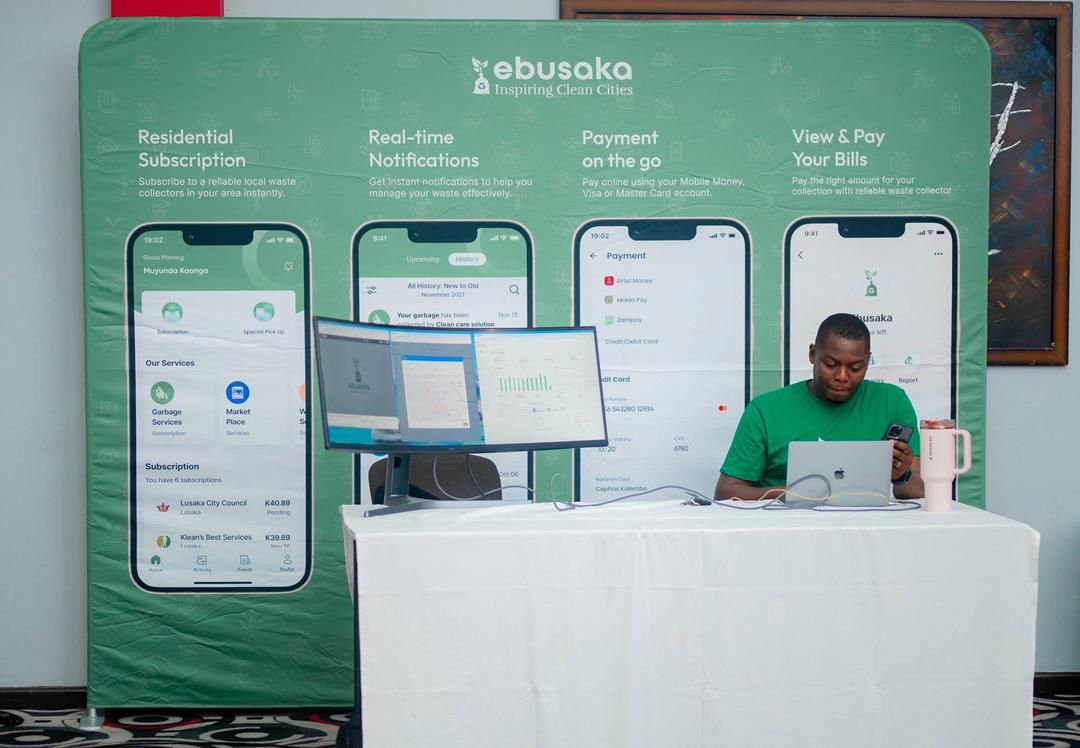
A prime example of HCD in action is Ebusaka, a Green Technology company focused on transforming waste management practices to promote a circular economy. Recognising the critical constraints and pain points facing both residents and collectors, Ebusaka moved beyond just providing a basic service, developing an app-based platform that created a reliable, user-centred waste management experience. Its design directly addresses user needs by offering features such as scheduled collection (booking services with a few taps) and real-time tracking. By making the process hassle-free, transparent (through transparent pricing), and rewarding (through recycling rewards), Ebusaka successfully integrates technology with community realities to create a cleaner, greener, and more sustainable future.
BongoHive’s Role: Embedding HCD in Organisational DNA
At BongoHive, the Innovation Unit acts as the essential partner to help organisations, from corporates to NGOs, move from theoretical interest to measurable, human-centred impact. We don’t just deliver a report; we re-engineer the process to cultivate a culture of continuous innovation.
How the Innovation Unit Guides Organisations Through the Applied HCD Practitioners Programme:
- Deep Empathy & Discovery: We reject solving the surface-level issue. We deploy our team to conduct immersive user research—interviews, observations, and journey mapping—to understand the user’s real pain points, aspirations, and environment. This phase reframes the problem from the organisation’s perspective (“We need a new app”) to the user’s perspective (“People can’t access our service because it requires too much data/trust/literacy”).
- Co-Creation & Ideation (Design Sprints): We facilitate Design Sprints and Co-creation Workshops, bringing together the client’s internal teams and actual end-users. A great example is the Zanaco Internal Innovation Challenge we ran, which harnessed staff creativity to address customer needs, driving solutions that were validated by internal expertise but inspired by the human experience.
- Rapid Prototyping & Testing: Innovation is iteration. We help build low-fidelity prototypes—simple paper mockups or quick digital wireframes—and rapidly test them with real users. This fail-fast, learn-faster approach saves immense time and capital compared to launching a fully built product that no one wants or can use. It ensures the final solution is desirable (wanted by the user), feasible (can be built), and viable (makes business sense).
- Translating Insight to Impact: Our final step is ensuring the proven, user-validated solution is translated into a measurable business model or implementation plan. This moves the HCD output from an abstract idea to an actionable strategy that drives new revenue streams, improves efficiency, and builds genuine customer loyalty, ensuring HCD contributes directly to the organisation’s growth and Africa’s overall development.
By partnering with BongoHive, organisations don’t just get a product/service; they cultivate a culture of continuous innovation driven by a human-centred mindset, ensuring their relevance and resilience in Zambia’s rapidly changing market and truly making HCD central to their growth strategy.