 BongoHive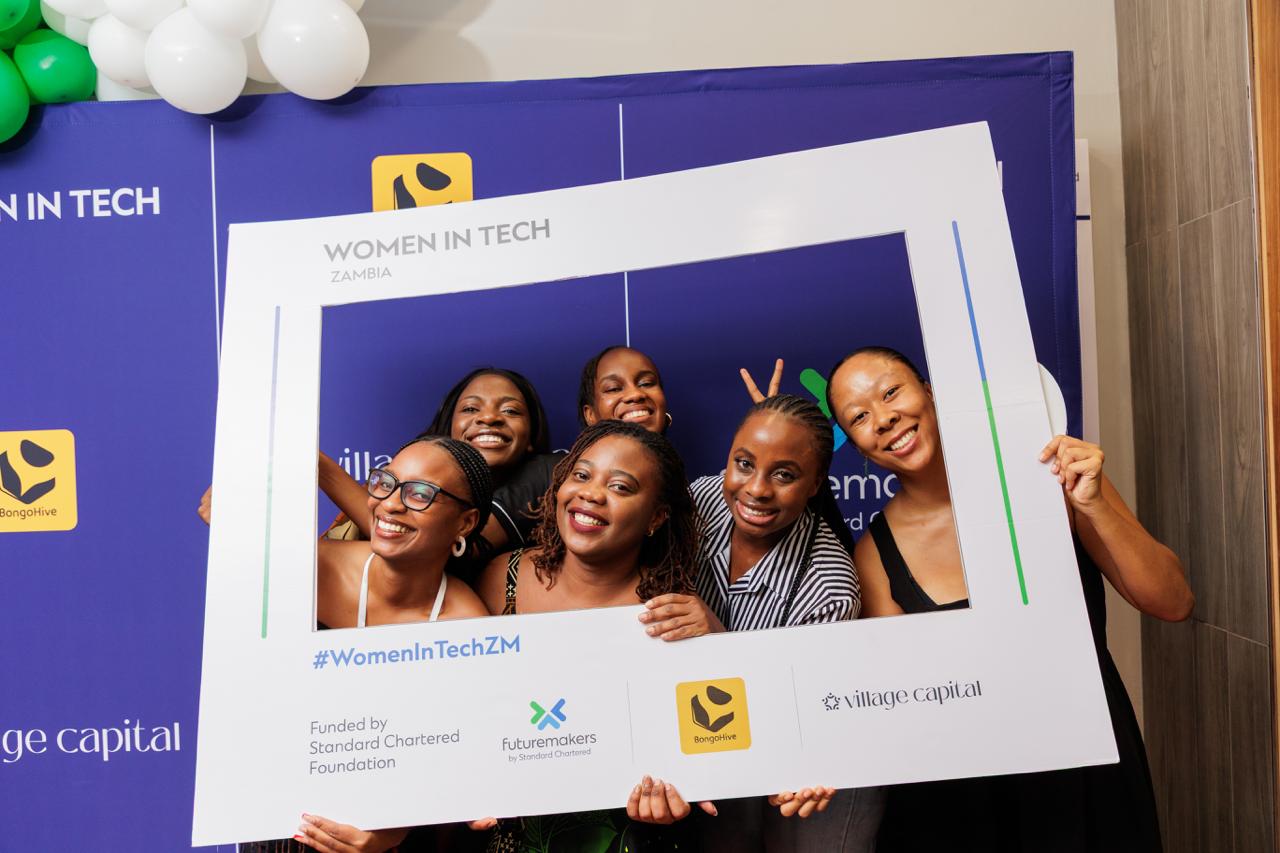
Every startup story begins the same way. With a moment of courage.
Sometimes it is a quiet decision made at a kitchen table late at night. Sometimes it is a frustration with a problem that refuses to go away. Sometimes it is the realisation that the idea you carry could actually change something if only you dared to build it.
For dozens of women across Zambia, that moment of courage led them to apply to the Standard Chartered Women in Tech Programme implemented by BongoHive. What followed for many of them was not just a programme but the beginning of a journey that reshaped their businesses, their confidence, and in some cases entire communities.
Over the past several years, the programme has become one of Zambia’s most powerful platforms for women entrepreneurs using technology and innovation to solve real problems. It has supported more than fifty women-led ventures and catalysed millions in startup funding, but numbers alone do not capture the real impact. The true measure of the programme lies in the founders who walked through its doors with ideas and walked out with ventures ready to grow.
For Mwinji Nakamba, the journey began with a mission to restore dignity for girls and women. Through Wastemat Zambia, she has been tackling menstrual health and environmental sustainability, creating reusable sanitary solutions while advocating for better access to menstrual health education. What began as an idea rooted in empathy has grown into a nationally recognised initiative working with communities, institutions, and partners to reach thousands of girls.
For Vwanganji Bowa, founder of Mighty Finance Solution Limited, the programme became the turning point that helped refine a vision she had carried for years. Her company focuses on financial empowerment, helping individuals and small businesses build financial literacy and confidence in managing their money. Her path was not immediate success. She applied once and was not selected. Instead of giving up, she strengthened her idea, reapplied, and eventually joined the programme. Today, her venture continues to expand its impact.
Persistence is a thread that runs through many of these founders’ stories.
Dr. Kayanda Besa built her venture around something deeply personal: the development of young children. Through Wilawane Store, she introduced carefully curated educational toys and learning materials designed to nurture creativity and cognitive development. With the mentorship, network, and support she received through the programme, the idea evolved into a growing business that now serves families looking for quality learning tools for their children.
For Tetiwe Nzimah, the inspiration came from a challenge many parents face daily: safe and reliable transportation for their children. Her venture, Kiddies Commute, set out to rethink how children travel to and from school by using structured, technology-enabled systems to prioritise safety and reliability. What started as a local solution has since gained recognition beyond Zambia, demonstrating how ideas born from everyday experiences can evolve into innovations with global potential.
Across cohorts of the programme, similar stories continue to emerge.
Women who once wondered whether their ideas were big enough or strong enough now run ventures in health, finance, education, retail, agriculture, and digital services. Some entered the programme with prototypes. Others came with concepts scribbled in notebooks. What they found was an ecosystem designed to help ideas mature.
Through mentorship from experienced entrepreneurs, structured business development support, and access to funding opportunities, participants are challenged to refine their thinking and strengthen their ventures. The process is rigorous but transformative. Many founders describe it as the moment their side hustles began to look and feel like real companies.
Perhaps even more powerful than the training itself is the community that forms along the way.
Women who enter the programme as strangers often leave as collaborators, mentors, and supporters of one another’s journeys. Alumni continue to work together, share opportunities, and celebrate each other’s growth long after their cohorts end. Over time, this network of founders has grown into one of the most dynamic communities of women entrepreneurs in Zambia’s innovation ecosystem.
Their ventures continue to evolve. Some are expanding into new markets. Others are building partnerships with institutions and international organisations. Many are creating jobs and opportunities for others along the way.
What began as a programme has become a movement of women who chose to believe in their ideas.
And each year, that movement grows.
Somewhere right now, another woman is sitting with an idea she has not yet shared with the world. Perhaps it is a solution to a challenge she sees in her community. Perhaps it is a product she has been quietly developing. Perhaps it is simply the belief that something better could exist if someone dared to build it.
For many of the Women in Tech alumni, the hardest step was the first one.
The moment they decided to apply.
They did not know exactly what would happen next. They only knew that the opportunity was worth pursuing.
Today their ventures stand as proof of what can happen when that decision is made.
And soon, another group of women will have the chance to take that same step.
The next chapter of the Women in Tech Programme is on the horizon. Somewhere among the next applicants may be the founder of the next breakthrough startup, the next entrepreneur solving a problem that affects thousands, or the next story that will inspire someone else to believe in their own idea.
All it takes is the courage to begin.