 BongoHive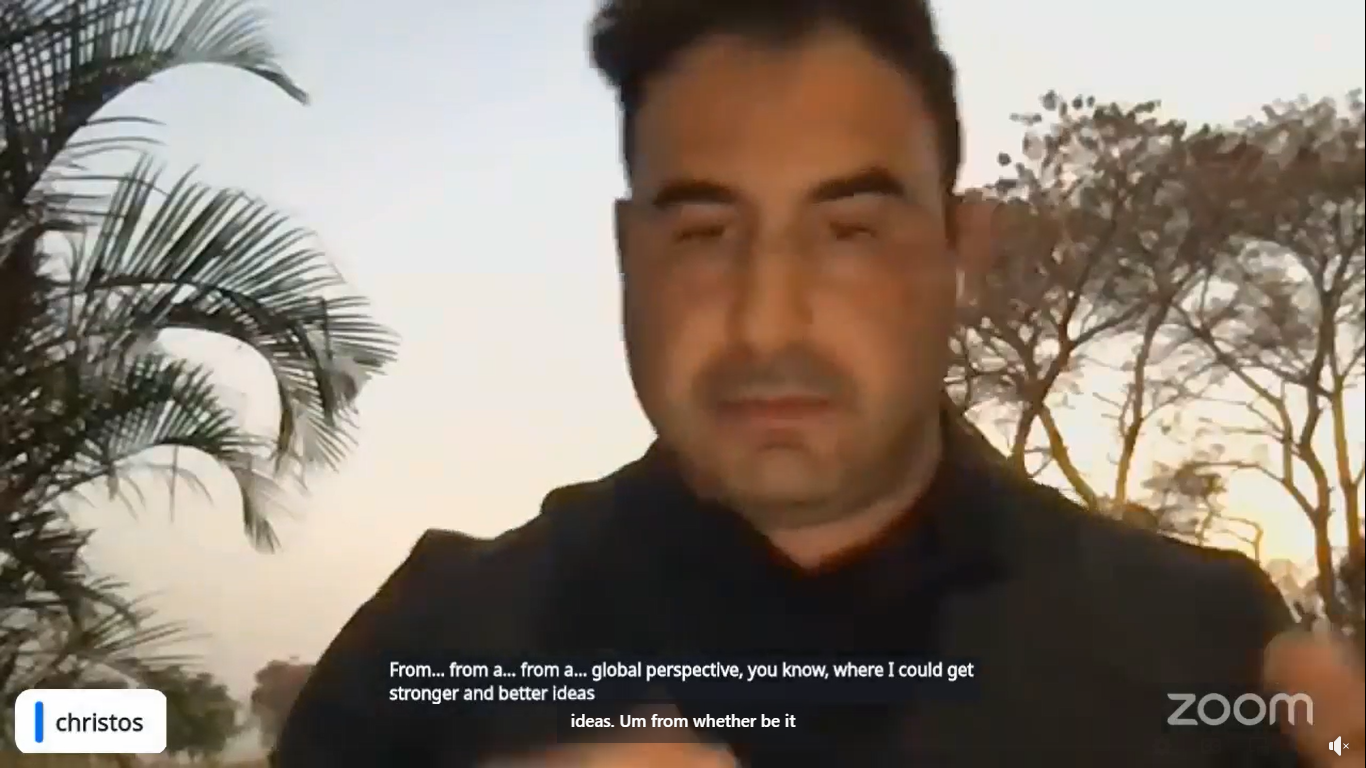
In the fast-paced world of entrepreneurship, it’s easy to get caught up in the daily grind of survival. But what does it take to build a business that not only lasts but is also attractive enough for a successful exit? We recently had the pleasure of sitting down with Christos Diakosavas, the founder of Digi Print Zambia, who shared his invaluable insights from his 12-year journey of building and eventually selling his company. Here are some of the key takeaways for every entrepreneur looking to build for the long term.
From Survival to Scalability: A Shift in Mindset
Like many entrepreneurs, Christos started with a focus on survival. “Payroll, to keeping customers happy, making sure the doors stay open, lights stayed on,” he recalled. However, he soon realized that he had built himself a job, not a business. This realization sparked a crucial mindset shift from chasing immediate profits to building long-term value.
“My mindset shifted from immediate profit to building systems, training people, and keeping our finances as transparent as possible,” Christos shared.
This foundational work was about creating a business that could “run and grow eventually transition without me.”
Built to Last is Built to Sell
A fascinating point Christos made was the synergy between building a business to last and building one to sell. He argued that they are essentially the same thing. “Is a business that’s built to sell not the same as a business that’s built to last?” he posed. “I’m going to want to buy a business that’s built to last.” This highlights the importance of creating a resilient and sustainable business with a strong customer base and a capable team, which are the very qualities a potential buyer looks for.
The Power of People and Partnerships
For Christos, the “main focus was definitely the people.” He emphasized hiring for potential and cultural fit, creating a positive work environment where people felt valued. This investment in people proved crucial, especially during challenging times.
Equally important was the strategic partnership with Xerox. Christos nurtured this relationship, building trust and credibility over time. This led to favorable terms, support, and a significant annuity business that provided stability. His advice to other entrepreneurs is simple but powerful: “If you don’t ask, you don’t get.”
Lessons from the Trenches: Financial Discipline and Learning from Mistakes
Christos was candid about the mistakes he made along the way. He admitted to expanding too quickly at one point, driven by ego rather than data. The biggest lesson he learned, especially during the exit process, was the paramount importance of financial discipline.
“If you’re going to find someone who’s interested in acquiring your business, the first thing they’re going to look at are your books, are your numbers,” he stressed.
He also spoke about the “most painful way to learn,” which was through mistakes. He encouraged entrepreneurs to learn not just from their own mistakes but from the mistakes of others in their industry.
Navigating the Storm and Knowing When to Exit
The COVID-19 pandemic was a massive challenge, wiping out 75% of Digi Print’s revenue. This forced Christos to make the difficult decision to release some equity in the business to survive. This experience, along with a desire for a different lifestyle, ultimately led to his decision to exit. The exit itself was a learning experience, providing new perspectives on how other businesses operate.
Christos’ journey with Digi Print is a testament to the power of persistence, strategic thinking, and a people-first approach. His story is a valuable lesson for any entrepreneur looking to build a business that not only survives but thrives.