The question is no longer whether technology will shape your child’s future. It already is. The question is whether your child will simply use technology, or learn how to create with it.
For many parents, introducing a child to technology can mean buying a tablet, setting up a computer or helping them navigate the internet safely. But digital literacy is becoming much more than knowing how to use a device.
Today’s children are growing up alongside artificial intelligence, automation, robotics and rapidly evolving digital technologies. Preparing them for this world is not simply about teaching them how to operate technology. It is about helping them understand it, experiment with it and use it to solve problems.
From consuming technology to creating with it
Children are naturally curious. They want to know how things work, why things move and what happens when they change something.
Robotics and coding give them a way to explore those questions.
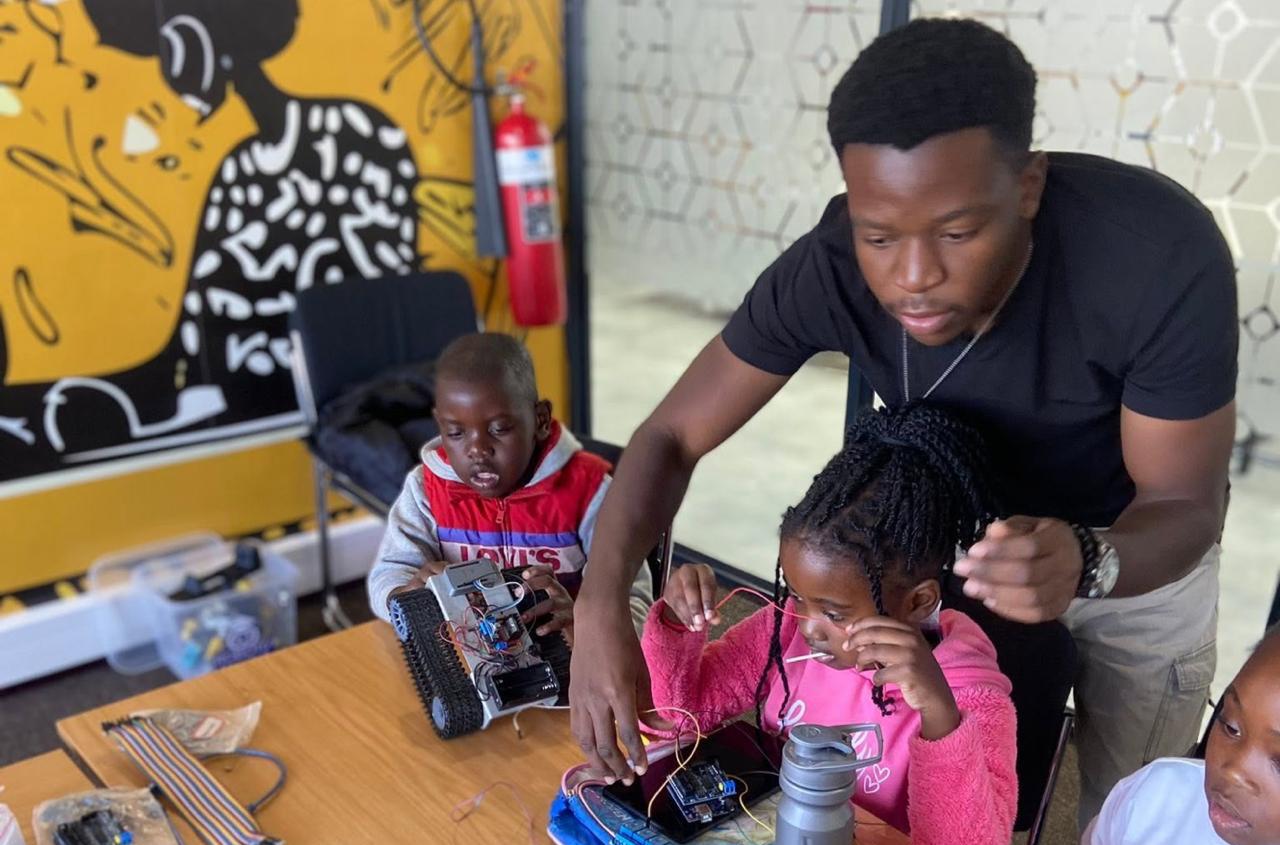
Instead of simply playing a game, a child can learn to design one. Instead of watching a robot move, they can build and programme one. Instead of seeing a problem as something someone else must solve, they can learn to break it down and find a solution.
Research backs this up. Studies of educational robotics have found that hands-on robotics activities can support computational thinking skills including sequencing, debugging, algorithmic thinking and problem-solving.
Learning how to think
One of the most valuable lessons coding teaches is that getting something wrong is part of the process.
A child writes instructions. The robot does something unexpected. They look at what went wrong, change the instructions and try again.
That process is called debugging, but the lesson goes far beyond programming.
It teaches children to be persistent, test ideas, learn from mistakes and approach problems systematically. A 2024 meta-analysis found that coding interventions had particularly strong effects on children’s problem-solving, alongside benefits in areas such as planning and working memory.
These are skills that matter whether a child eventually becomes an engineer, entrepreneur, doctor, designer or chooses a completely different path.
The future needs creators
Parents cannot predict exactly what the world of work will look like when their children are adults. What they can do is give them the skills to adapt to it.
Robotics and coding provide an opportunity to develop curiosity, creativity, logical thinking and problem-solving in a hands-on environment.
The goal is not to turn every child into a software engineer.
It is to help them become confident creators rather than passive consumers of technology.
Sometimes that learning can begin with something as simple as a robot that refuses to move.
Because when a child asks, “Why isn’t it working?” and then starts figuring out how to fix it, they are learning something much bigger than robotics.
They are learning how to think.
The next cohort starts 22 August
The next Robotix Institute Robotics & Coding cohort begins on 22 August, giving children aged 6–18 an opportunity to explore robotics, coding, problem-solving and critical thinking through hands-on learning.
For more information and registration:
[email protected]
0973 006 049 | 0774 743 071